



Why Does My Car Shake When I Brake?
A guide from the service team at Boucher Buick GMC of Waukesha
Quick Navigation
Ever feel your steering wheel buzz or your whole car shudder the second you tap the brakes? That’s not something to shrug off.
Drivers around Waukesha bring this exact concern to our service team at Boucher Buick GMC of Waukesha every week, and there’s usually a clear, fixable reason behind it. So why does my car shake when I brake? Let’s break it down.
Key Takeaways
- Shaking or pulsing when braking is almost always caused by an issue with the rotors, pads, tires, suspension, or wheel bearings.
- Warped or worn rotors are the single most common cause of vibration when braking.
- A truck shakes when braking more noticeably than a car because of its added weight and larger rotor surface, which makes warping easier to feel.
- Ignoring the shake doesn’t make it go away; it usually gets worse and can turn a simple repair into a bigger, pricier one.
- A quick brake inspection at Boucher Buick GMC of Waukesha can pinpoint the cause before it becomes a safety issue.
Why Does My Car Shake When I Brake?
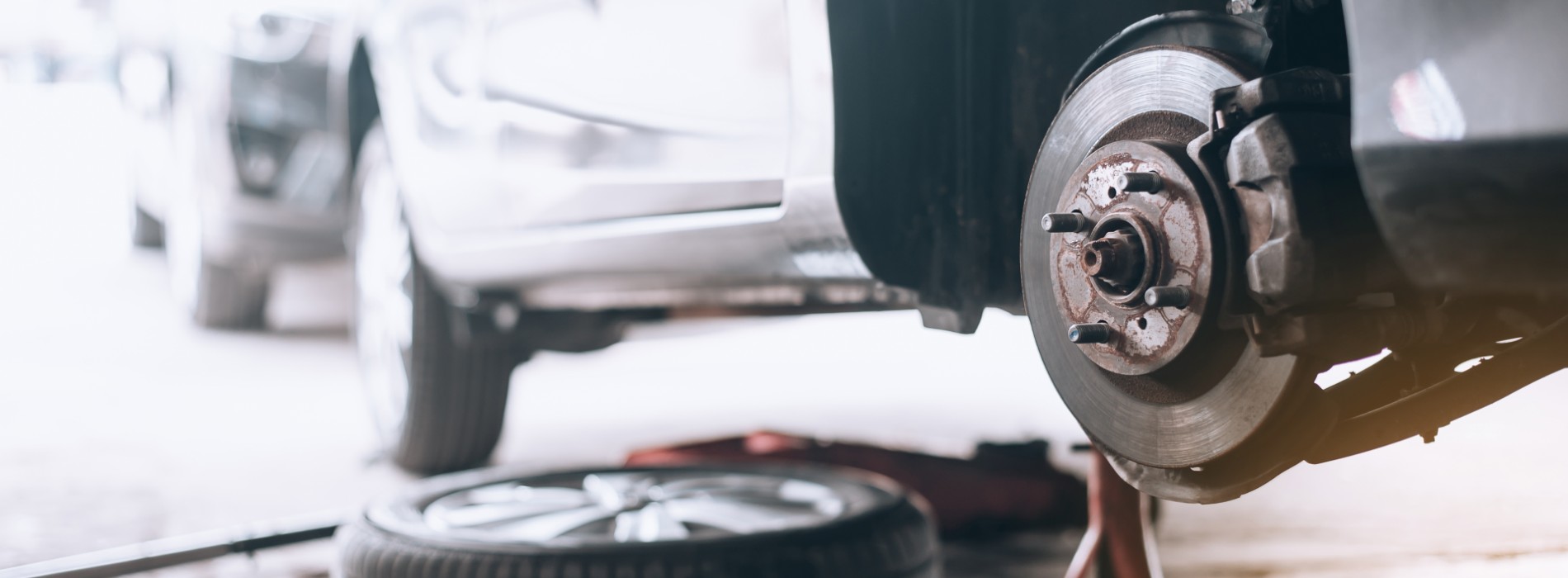
In most cases, car shaking when braking comes down to the brake rotors. Heat and wear cause them to become uneven, so instead of gripping smoothly, the brake pads pulse against a warped surface every time the pedal gets pressed.
That pulsing is what’s felt in the pedal, the steering wheel, or sometimes the whole car.
Rotors take a beating. Every stop generates friction, and friction generates heat: a lot of it, especially during hard stops, mountain driving, or stop-and-go traffic around town.
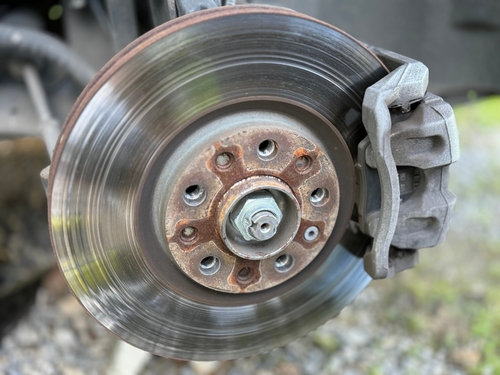
Uneven heat and wear are the leading causes of a warped rotor.
Over time, that heat can cause the metal to expand unevenly, leaving thin and thick spots across the rotor’s surface. Once that happens, the brake pads can’t clamp evenly, resulting in a rhythmic shake directly tied to wheel speed.
It’s more noticeable at highway speeds and tends to fade at a crawl. Winnebago County’s stop-and-go commutes and Wisconsin winters, with plenty of hard braking on slick roads, can accelerate this kind of wear.
Vibration when braking isn’t limited to older vehicles, either; newer cars with thinner, lighter rotors can warp just as easily under the wrong conditions.
Common Culprits Behind the Shake
- Warped or unevenly worn brake rotors
- Worn or unevenly worn brake pads
- Out-of-balance or unevenly worn tires
What Else Causes a Car or Truck to Shake When Braking?
Rotors aren’t the only possible cause. Suspension components, brake calipers, wheel bearings, and alignment can all produce a similar shaking sensation, which is why a proper diagnosis matters more than guessing.
A sticking brake caliper applies uneven pressure to one wheel, often accompanied by a faint burning smell or the car pulling to one side under braking.
Worn suspension parts, shocks, struts, or bushings, let the vehicle move around more than it should, and that extra motion becomes obvious the moment weight shifts forward during a stop.
Loose or worn wheel bearings can add a humming or grinding sound to the mix, along with a shake concentrated at one corner of the vehicle.
And it’s worth noting that a truck shakes when braking for the same reasons a car does, but the added mass of trucks and larger SUVs puts more stress on rotors and calipers, which can make the vibration feel stronger and set in sooner.
Where the Shake Usually Comes From
| Cause | What It Feels Like | Often Paired With |
|---|---|---|
| Warped rotors | Rhythmic pulsing, worse at higher speeds | Vibration through steering wheel |
| Worn brake pads | Pulsing or grinding sensation | Squealing or grinding noise |
| Out-of-balance tires | Shake that intensifies under braking | Vibration even without braking |
| Sticking brake caliper | Uneven pull or shake on one side | Burning smell, car pulling |
| Worn wheel bearing | Shake at one wheel/corner | Humming or grinding noise |
Is It Safe to Keep Driving If My Car Shakes When I Brake?
Driving with shaking brakes isn’t safe in the long term. It’s usually a sign that stopping distance and control are already compromised, and the underlying problem tends to get worse; sometimes quickly.
A slight pulsing might not feel dramatic at first, but it’s a sign that a system isn’t working as it should.
Warped rotors can keep thinning unevenly until pads wear unevenly too, and a caliper that’s sticking can overheat and fail outright. Worn bearings can eventually seize.
Any of these can extend stopping distance right when a driver needs every foot of pavement, especially in wet or icy Wisconsin conditions.
What starts as a mild shake noticed on the highway can turn into a much bigger repair bill and, in the worst cases, a genuine safety hazard if it’s left unaddressed for months.
Getting the Shake Checked Out
Feeling a pulse in the pedal or a shudder in the wheel? Scheduling a quick brake inspection at Boucher Buick GMC of Waukesha is an easy next step, and it beats guessing at what’s wrong. Our service team can diagnose the cause, walk through the options, and get things running smoothly again.

FAQ
Why does my car shake only when I brake at high speed?
Rotor warping is usually more noticeable at higher speeds because the pulsing happens more frequently per second. At low speeds, the same warp produces a slower, less obvious pulse.
Can bad tires cause my car to shake when braking?
Yes. Out-of-balance or unevenly worn tires can create a vibration that becomes more pronounced the moment weight shifts forward during braking.
How much does it cost to fix a car that shakes when braking?
It depends on the cause; resurfacing or replacing rotors and pads is common and relatively affordable, while suspension or bearing repairs can cost more. A diagnostic inspection is the best way to get an accurate estimate.
Is it normal for a truck to shake more than a car when braking?
It’s common, since trucks carry more weight and use larger rotors, which puts extra stress on the braking system. That doesn’t mean it should be ignored, though.
How often should brake rotors be replaced?
There’s no fixed mileage; it depends on driving habits, rotor material, and how often the brakes get worked hard. A technician can measure rotor thickness and runout to know for sure.
What happens if I ignore a shaking brake pedal?
The issue typically worsens over time, can increase stopping distance, and may turn a simple pad-and-rotor job into a more expensive repair involving calipers or suspension components.

0 comment(s) so far on Why Does My Car Shake When I Brake?