



Why Are My Tires Wearing Unevenly?
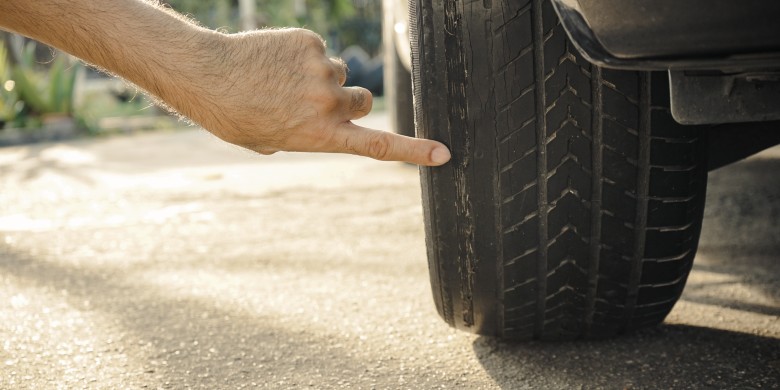
Uneven tire wear sneaks up on drivers more often than you’d think. One day everything feels fine, and the next you’re noticing a strange vibration, a little extra road noise, or a tire that looks more worn on one side than the other.
Around Waukesha, WI, our team at Boucher Buick GMC Waukesha sees this every day, and it’s usually a sign your tires need attention sooner rather than later. When tires start showing tire wear inside edge, or you spot tires worn on inside patterns, it’s your vehicle’s way of saying something’s off—and it’s worth listening.
Key Takeaways
- Uneven wear signals a deeper issue—alignment, suspension, or tire pressure.
- Inside-edge wear is common and often tied to misalignment.
- Rotations extend tire life and prevent premature wear.
- Ignoring uneven wear affects safety, especially in wet or snowy conditions.
- Replacement may be necessary if the tread is severely worn on one side.
Tire Wear Quick Reference Guide
Why Tires Wear Unevenly
Uneven wear can come from several different issues, and they’re not always dramatic or obvious. Sometimes it’s as simple as a tire being underinflated for too long. Other times, it’s a deeper mechanical concern.
Misalignment Issues
One of the most common causes is misalignment. When your wheels aren’t pointed exactly where they should be, the tires scrub against the pavement at an angle. That’s when you start seeing tires wearing on the inside edge or feathering across the tread. Misalignment can happen gradually—hitting potholes, bumping curbs, or just everyday driving around Waukesha can knock things out of place.
Suspension Components
Another culprit is worn suspension components. If your shocks or struts aren’t doing their job, the tire doesn’t stay planted evenly on the road. That uneven contact leads to patchy wear, cupping, or inside-edge thinning.
Tire Pressure & Inflation
Proper tire pressure plays a role too. Overinflated tires wear more in the center, while underinflated ones wear more on the edges.
Rotation Frequency
Sometimes the issue is rotation—or lack of it. Tires don’t wear at the same rate on every corner of your vehicle. Without regular rotations, one tire may look brand-new while another is practically begging for retirement. If you’ve ever wondered what causes inside tire wear, rotation habits are often part of the answer.
The Dangers of Uneven Tire Wear
Uneven wear isn’t just a cosmetic problem. It affects how your vehicle handles, how it brakes, and how safe it feels on the road. A tire worn heavily on one side has less grip, especially in wet or snowy conditions. That can make stopping distances longer and steering less predictable.
You may also notice more vibration in the steering wheel or a humming noise that wasn’t there before. Those symptoms aren’t just annoying—they’re warning signs. A tire with severe inside-edge wear is more vulnerable to blowouts, especially at highway speeds. And once a tire is compromised, there’s no reversing the damage.
The Financial Impact: Uneven wear also costs you money. Tires that should last 50,000 miles might only make it halfway if they’re wearing unevenly. That means earlier replacements, more frequent service visits, and potential repairs to suspension or alignment components that were stressed along the way.
Why You Should Replace or Rotate Your Tires
Rotating your tires regularly is one of the simplest ways to extend their life. It spreads out the wear so no single tire takes the brunt of daily driving. Most drivers benefit from a rotation every 5,000–7,500 miles, though your owner’s manual may recommend something slightly different.
If your tires already show uneven wear, rotation can help slow the progression—but it can’t undo damage that’s already done. If the tread is dangerously thin on one side, replacement is the safest option. A fresh set of tires restores traction, improves ride comfort, and helps your vehicle respond the way it should.
When you bring your vehicle to Boucher Buick GMC Waukesha, our service team checks alignment, suspension components, and tire pressure to make sure the root cause is addressed. Replacing a tire without fixing the underlying issue only delays the problem. Fixing both at once gives you a smoother ride and peace of mind.
Keep Your Tires Wearing Evenly
Uneven tire wear is one of those problems that starts small but grows quickly. Catching it early saves money, improves safety, and keeps your vehicle driving the way it was meant to. Whether you’re dealing with tire wear inside edge, uneven tread patterns, or just want a professional inspection, the team at Boucher Buick GMC Waukesha is here to help keep your tires in top shape.
Frequently Asked Questions

0 comment(s) so far on Why Are My Tires Wearing Unevenly?