




How Many Miles Can I Ride on a Spare?
- ✓ Spares are temporary and should only be used for short distances.
- ✓ Donut spares typically last 50–70 miles at speeds under 50 mph.
- ✓ Driving too long on a spare can damage your vehicle.
- ✓ Full-size spares offer more flexibility but still aren’t permanent.
- ✓ Replace your spare every 6–10 years or after use.
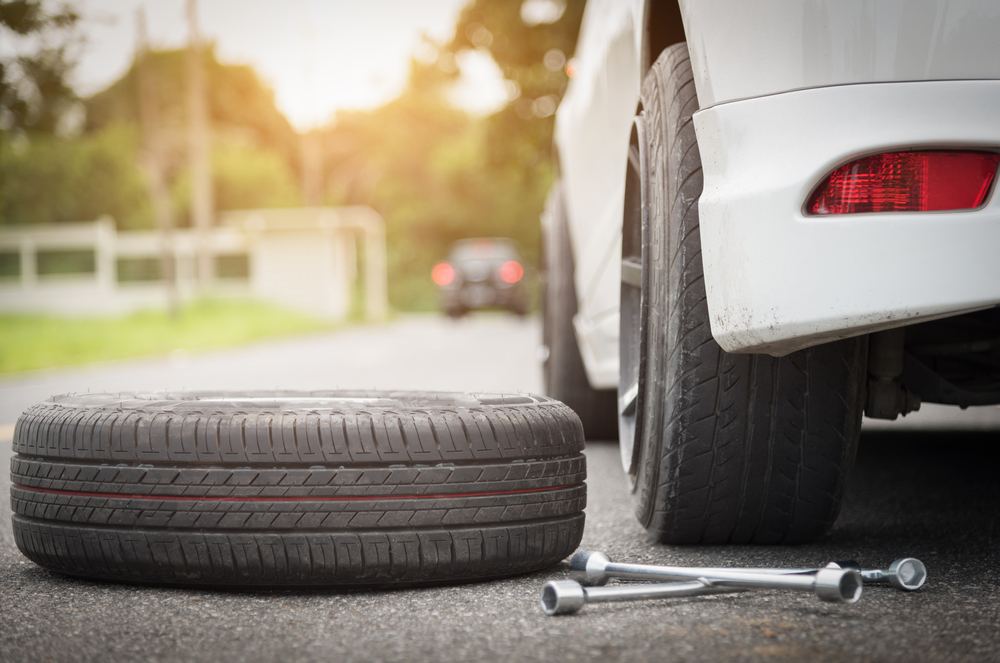
A flat tire never seems to happen at a convenient moment. Whether you’re running errands around Waukesha or heading out toward Milwaukee, that sudden thump or warning light can throw your whole day off. That’s usually when drivers pull into Boucher Buick GMC of Waukesha, asking the same thing: how many miles can you put on a spare tire before it becomes a problem? It’s a fair question—especially when you’re trying to get back on the road quickly without risking damage to your vehicle.
The truth is, spare tires are incredibly useful, but they’re not designed to replace a full-size tire for long. They’re meant to get you to safety, not carry you through the next few weeks. Still, understanding how far you can go, how fast you should drive, and why it matters can make a big difference in protecting your vehicle.
How Long Can You Drive on a Spare?
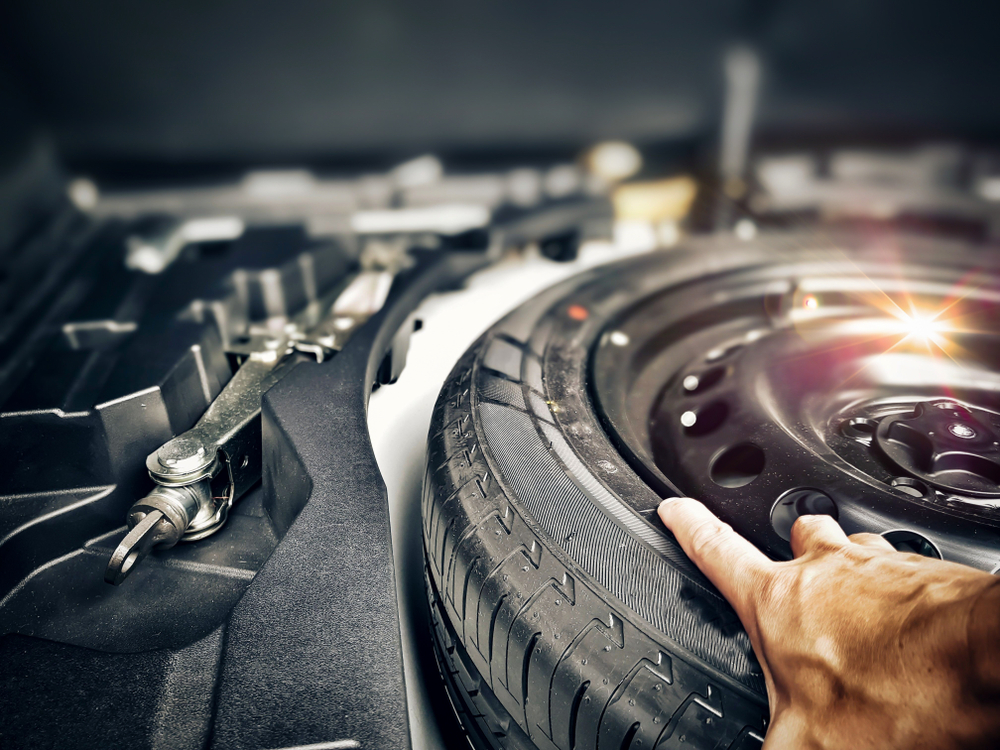
Most vehicles today come with a compact spare—better known as a “donut.” These smaller, lightweight tires save space in the trunk, but they’re not built for long-term use. If you’ve ever wondered how many miles on a donut tire is considered safe, the general guideline is around 50 to 70 miles. That’s it. Enough to get you home, to a tire shop, or to our service center here in Waukesha.
Full-size spares, on the other hand, offer more flexibility. They’re closer in size and durability to your regular tires, so you can typically drive farther and at normal speeds. But even then, they’re still temporary. Rubber ages, treads wear, and spares often sit unused for years. So even if it’s full-size, it’s smart to treat it as a short-term solution.
Why You Shouldn’t Push a Spare Too Far
It’s tempting to stretch the limits—especially when life gets busy. But driving too long on a spare can create more problems than the flat tire you started with.
Here’s what can happen:
1. Reduced Traction and Handling
Compact spares have limited tread and a smaller footprint. That means less grip on the road, especially in rain or snow. Wisconsin weather doesn’t always play nice, so traction matters.
2. Stress on Your Suspension and Drivetrain
A donut is smaller than your other tires. That size difference forces your vehicle to compensate, which can strain components like your differential, brakes, and suspension.
3. Longer Stopping Distances
Because spares aren’t built for performance, your braking power takes a hit. It may not be dramatic, but in an emergency stop, every foot counts.
4. Heat Buildup
Compact spares aren’t ventilated or reinforced like regular tires. The longer you drive, the hotter they get—and heat is the enemy of tire rubber.
5. Risk of Blowout
Push a spare too far, and you’re right back where you started: stuck with another flat.
So while it’s understandable to want to squeeze a little more mileage out of a spare, the risks simply outweigh the convenience.
How Fast Can You Drive on a Spare?
Speed is just as important as distance. Most donut spares are rated for speeds up to 50 mph. That’s not a suggestion—it’s a safety limit. Anything faster increases the chance of overheating, losing control, or damaging your vehicle.
If you’re on the highway when the flat happens, it’s best to take the next exit, install the spare, and stick to slower roads until you can get a proper replacement. Full-size spares allow normal speeds, but again, they’re still temporary.
The Benefits of Having a Spare Tire
Even with their limitations, spares are incredibly valuable. Here’s why:
1. Peace of Mind – Knowing you have a backup in the trunk makes every drive feel a little more secure.
2. Quick Mobility – A spare gets you moving again without waiting for roadside assistance—especially helpful during Wisconsin winters.
3. Protection for Your Wheels – Driving on a flat can destroy your rim. A spare prevents that costly damage.
4. Safety – Being stranded on the shoulder of I-94 isn’t ideal. A spare helps you get somewhere safer.
5. Convenience – Even if it’s temporary, having a spare means you’re not stuck rearranging your entire day.
When Should You Replace Your Spare?
Spares don’t last forever. Even if they’ve never touched the road, rubber breaks down over time. Most manufacturers recommend replacing a spare every 6 to 10 years. If you’re unsure, our team at Boucher Buick GMC of Waukesha can check its condition during your next service visit.
Also, if your spare has already been used once, it’s worth replacing sooner rather than later. Donuts are one-time solutions. Full-size spares can sometimes be repaired or reused, but only if they’re in good shape.
Don’t Treat a Spare Like a Regular Tire
A spare tire is a lifesaver when you need it, but it’s not meant to carry you long-term. Whether you’re wondering “How many miles can you put on a spare tire?” or trying to figure out “How many miles on a donut tire is safe?” the answer is simple: keep it short, keep it slow, and get a proper replacement as soon as possible.
FAQ
Can I drive on a spare for a week?
It’s not recommended. Even if it seems fine, the risk of damage increases the longer you use it.
Is it safe to drive on the highway with a donut?
Only briefly and under 50 mph. It’s better to stick to local roads.
Can a donut tire be repaired?
No. Donuts aren’t designed for repair or reuse.
How do I know if my spare is still good?
Check the tread, sidewalls, and age. If you’re unsure, our service team can inspect it.

0 comment(s) so far on How Many Miles Can I Ride on a Spare?